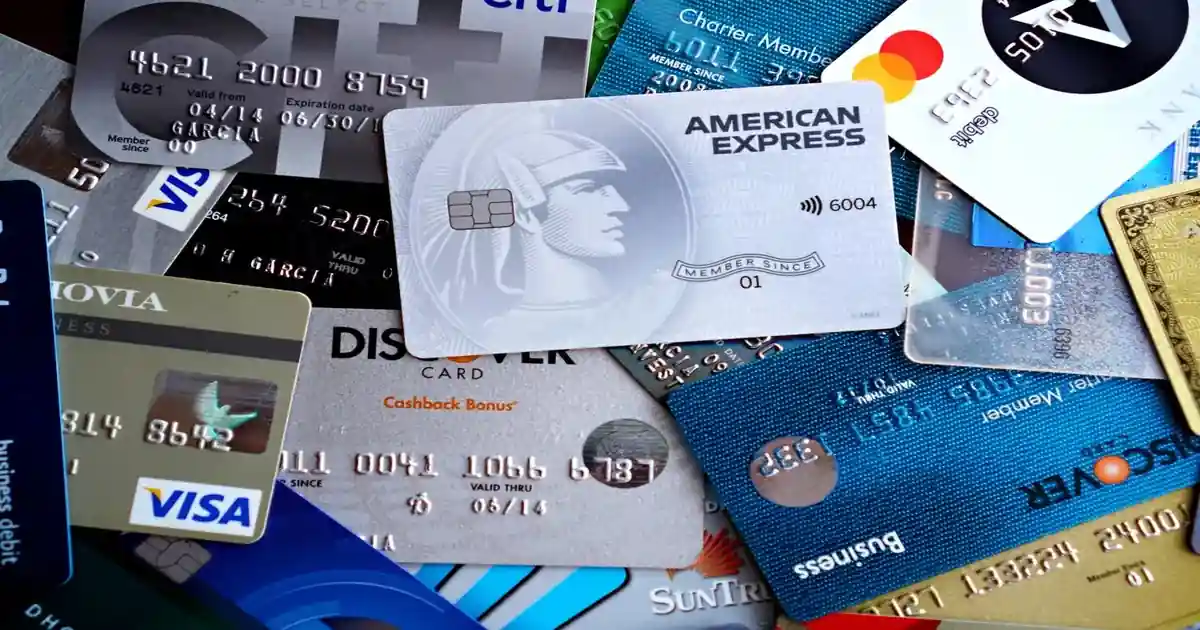
Flat Rate vs Category Cash Back
Flat-rate cards return the same percentage on every purchase — typically 1.5% or 2%. The best flat-rate cards pay 2% with no annual fee and no category restrictions. These are the easiest to use and best for spending that doesn't fit neatly into bonus categories — business travel, online shopping, utilities, and miscellaneous purchases.
Category cash back cards pay 3–5% (sometimes 6%) on specific spending categories — most commonly groceries, gas stations, dining, streaming, and online shopping — and 1–1.5% on everything else. These beat flat-rate cards if your spending is concentrated in the bonus categories and you track which card to use where.
| Card Type | Best Rate | Best For | Trade-off |
|---|---|---|---|
| Flat-rate (2%) | 2% on everything | Simple spending, diverse categories | Leaves bonus category value on table |
| Category (5%/1%) | 3–6% on categories | Heavy grocery/gas/dining spenders | Requires tracking which card to use |
| Rotating category | 5% on rotating categories | Flexible spenders willing to track | Must activate quarterly; categories change |
Sign-Up Bonuses
New cardholder bonuses are typically the most valuable component of any cash back card in the first year. A $200 bonus for spending $500 in the first 3 months is effectively a 40% return on that initial spending. Spread responsibly over purchases you'd have made anyway, sign-up bonuses add $200–$500 of value for cards with no annual fee. Factor the bonus into your first-year return calculation, not just the ongoing cash back rate.
The Two-Card Strategy
The highest-return approach for most people: pair a strong category card with a flat-rate backup. Example: 5% grocery card for all supermarket purchases + 2% flat-rate card for everything else. On $500/month in groceries ($6,000/year), the 5% card earns $300 vs $120 on a 2% flat-rate card — a $180/year difference. On the remaining $18,000/year in other spending, the 2% flat-rate card earns $360 vs the category card's $180 (at 1%) — a $180/year difference. Combined total: significantly more than either card alone.
What to Compare
- Annual fee: No-fee cards are best unless the annual fee is clearly offset by rewards and benefits.
- APR: Irrelevant if you pay in full. Critical if you might carry a balance — choose a low-rate card instead of a rewards card.
- Foreign transaction fees: 3% fee wipes out all rewards on international purchases. Choose a card with no foreign transaction fee for travel.
- Redemption flexibility: Statement credit, direct deposit, or check are simplest. Some cards restrict redemption to specific portals.
Cash Back Cards Globally
UK: UK cashback credit cards typically offer 0.5–1% on all spending (lower than the US due to lower merchant interchange caps under EU/UK regulations). Premium cashback cards (American Express) offer 1–5% with annual fees. The UK's Amex cashback structure is one of the most generous available. Interest rates on UK credit cards average 25–30% APR — pay in full monthly regardless of rewards.
India: Indian credit cards offer cashback (1–5% on categories), reward points, and fuel surcharge waivers. Premium cards from HDFC, SBI, and Axis offer strong category returns. Cashback cards are less universally accepted than in the US — UPI (PhonePe, GPay) and debit transactions dominate small merchant payments. Key benefit worth noting: 1% fuel surcharge waiver on many Indian cards effectively adds 1% back on fuel spending above the credit card reward.
Canada: Canadian cashback cards typically offer 1–4% on categories and 1–2% flat-rate, with annual fees on premium cards. Tangerine's free 2% cashback on 2–3 chosen categories is popular. Scotia Momentum Visa Infinite (4% on groceries/gas) is a strong category option. FCAC at canada.ca.