Why Banks Charge Fees
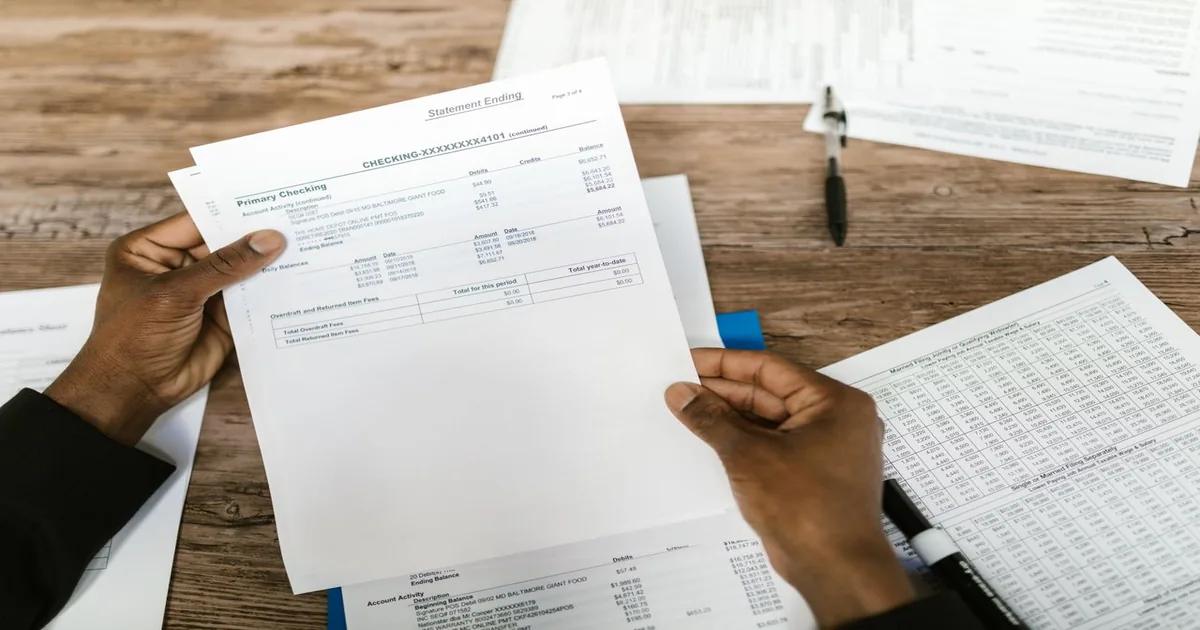
Monthly maintenance fees are not inevitable — they're a profit centre. Traditional banks charge $12–$15/month for basic checking when online competitors charge $0. The fee structure exists because many customers don't switch, don't notice the fees on statements, or believe they have no alternative. The banking market has changed significantly — free checking at digital banks is now widespread and reliable.
Traditional banks often waive their monthly fee if you maintain a minimum daily balance ($1,500–$1,500 typically) or set up direct deposit. If you consistently meet these conditions, the waiver is fine. If your balance fluctuates and you occasionally dip below the minimum, fees apply anyway — often when you're least financially secure.
What to Look For
| Feature | Why It Matters |
|---|---|
| No monthly fee | Core requirement — no exceptions |
| No minimum balance | Avoid fee risk when balance fluctuates |
| ATM network | Allpoint or MoneyPass networks give free access to 55,000+ ATMs nationwide |
| ATM fee reimbursement | Some banks (Schwab) reimburse all ATM fees worldwide — excellent for travellers |
| FDIC insured | Non-negotiable — protects your deposits up to $250,000 |
| Early direct deposit | Some banks post payroll 2 days early — useful for cash flow |
| Mobile check deposit | Deposit checks by phone photo — avoids branch visits |
Overdraft Fee Traps
Overdraft fees ($30–$35 per transaction) have declined since CFPB scrutiny in recent years but remain a significant revenue source for traditional banks. Options to avoid them: link a savings account as overdraft protection (funds transfer automatically), enable low balance alerts, or choose a bank with no overdraft fees at all. Several online banks offer a small overdraft buffer ($20–$200) fee-free — covering small accidental overdrafts without charging $35 per transaction.
Online vs Traditional Bank
Online banks win on: No fees, higher savings rates on linked savings accounts, nationwide ATM reimbursements, faster mobile app features, and often early direct deposit. Traditional banks win on: Physical branches for cash deposits and in-person service, cash-heavy business needs, notary services, and relationship lending for mortgages. For most people who rarely handle cash and don't need in-person banking, online is clearly better value.
How to Switch Banks
Switching is easier than most people expect: open the new account, set up direct deposit to the new bank, transfer automated payments and bills over 2–4 weeks (update each payee one by one), keep the old account open with a small balance until all scheduled transactions have cleared, then close it. The full process takes 4–6 weeks but requires only a few hours of actual work.
Checking Accounts Globally
UK — Current Accounts: The UK equivalent of a checking account is a current account. Most UK banks offer free basic current accounts — Monzo, Starling, and Revolut offer particularly strong free digital accounts with no fees, instant notifications, and budgeting tools. The Current Account Switch Service (CASS) makes switching banks in the UK a 7-working-day guaranteed process. Overdraft rates in the UK are legally capped. FCA at fca.org.uk.
India — Savings Accounts: India doesn't have a direct equivalent to the US checking account — savings accounts serve both savings and transactional purposes. Zero-balance savings accounts (required under RBI's BSBDA scheme) are available at all scheduled banks and allow basic transactions without maintaining any minimum balance. Jan Dhan accounts serve underbanked populations with no fee and a basic overdraft facility. RBI at rbi.org.in.
Canada — Chequing Accounts: Most major Canadian banks charge monthly fees ($4–$30/month) waivable with minimum balance or direct deposit. Free options exist at online banks (Tangerine, EQ Bank, Simplii Financial/CIBC subsidiary). Wealthsimple Cash offers a hybrid account with no fees and CDIC protection. The FCAC has a free account selection tool at canada.ca.