Public Service Loan Forgiveness (PSLF)
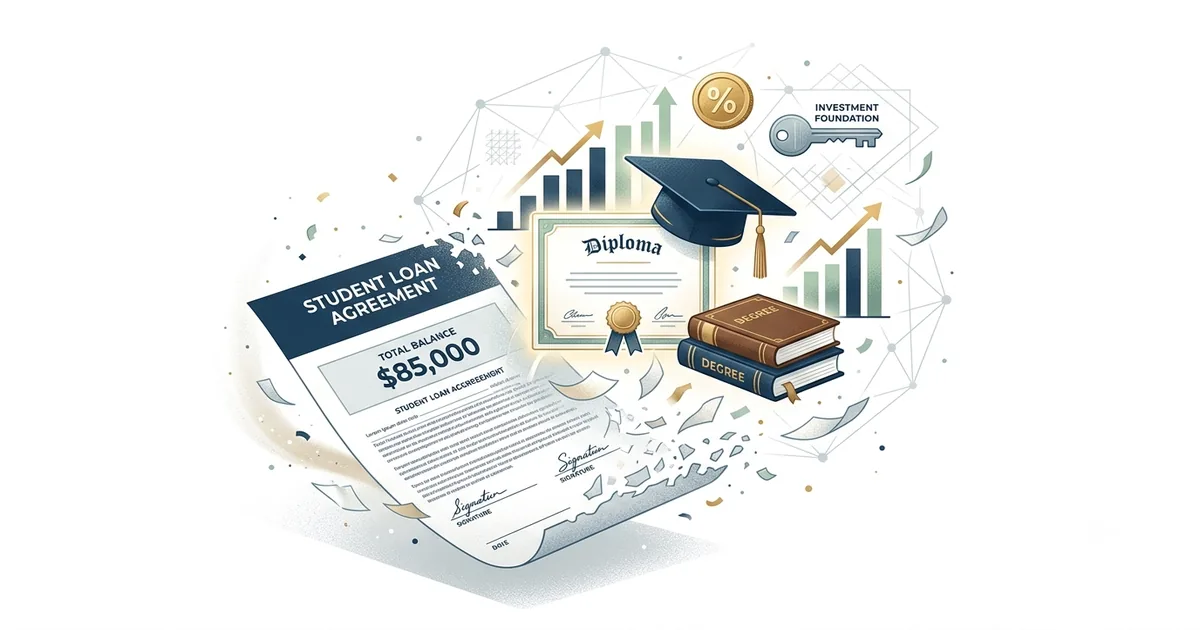
PSLF is the most valuable student loan forgiveness program available. After 120 qualifying monthly payments (10 years) while working full-time for a qualifying employer, the remaining balance on your federal Direct Loans is forgiven — permanently and completely tax-free.
Qualifying employer: Government organisations (federal, state, local, tribal), 501(c)(3) nonprofits, and other nonprofits providing qualifying public services (public health, public safety, public education, etc.).
Qualifying loans: Federal Direct Loans only. FFEL Loans must be consolidated into Direct Loans first. Private loans never qualify.
Qualifying payments: Must be made on an income-driven repayment plan (SAVE, PAYE, IBR, ICR) while working for a qualifying employer. $0 payments in low-income years still count as qualifying payments.
Critical action: Submit the PSLF Employment Certification Form (now called the PSLF Form) annually — or whenever you change employers. This confirms your employer qualifies and tracks your qualifying payment count. Do not wait until year 10 to check — annual certification catches issues early. Submit at studentaid.gov.
For a borrower with $80,000 in loans earning $55,000 working for a nonprofit: IDR payments might be $300–$400/month. After 10 years, the remaining $60,000+ balance is forgiven tax-free. Total paid: approximately $40,000. This is among the most powerful financial planning tools for qualifying workers.
Teacher Loan Forgiveness
Forgives $5,000–$17,500 in federal student loans for teachers who complete 5 full consecutive academic years teaching in a qualifying low-income school or educational service agency.
Forgiveness amounts: $5,000 for most teachers; $17,500 for highly qualified math, science, or special education teachers. You must be highly qualified under the No Child Left Behind Act standards.
Limitations: Cannot receive PSLF credit for the same years used for Teacher Loan Forgiveness. Given that PSLF forgives all remaining balance (often much more than $17,500) after 10 years of the same type of qualifying work, most teachers in public schools should pursue PSLF rather than Teacher Loan Forgiveness.
IDR Forgiveness (20–25 Years)
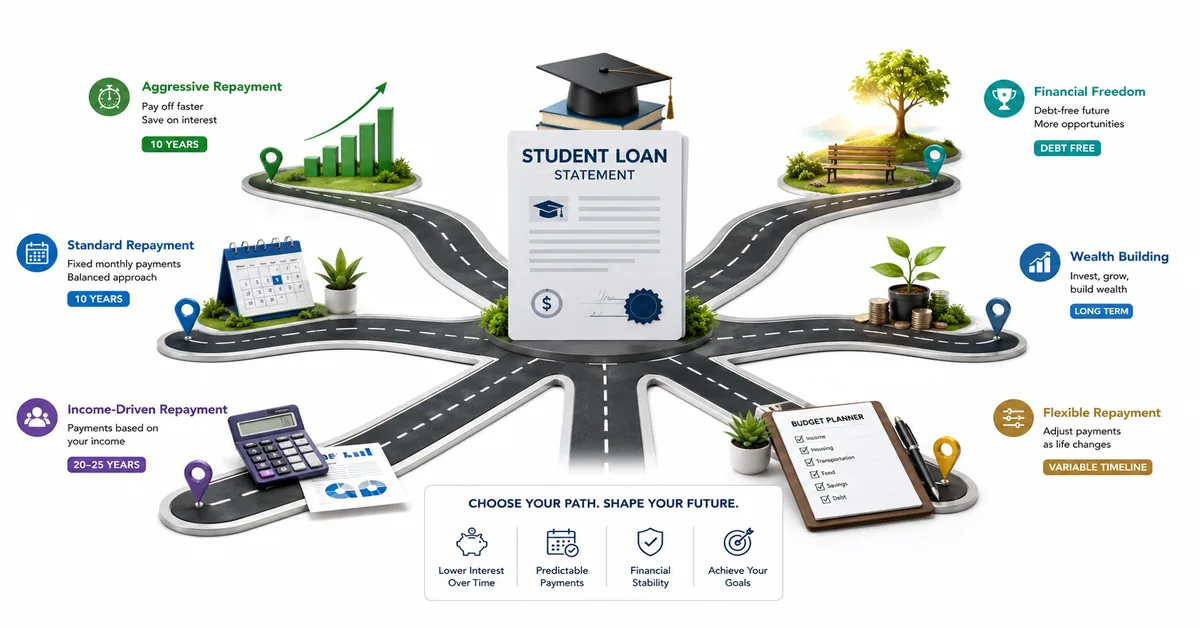
Income-driven repayment plans forgive remaining balances after 20–25 years of qualifying payments. Timelines: SAVE and PAYE — 20 years for undergraduate loans; IBR for newer borrowers — 20 years; IBR for older borrowers and ICR — 25 years.
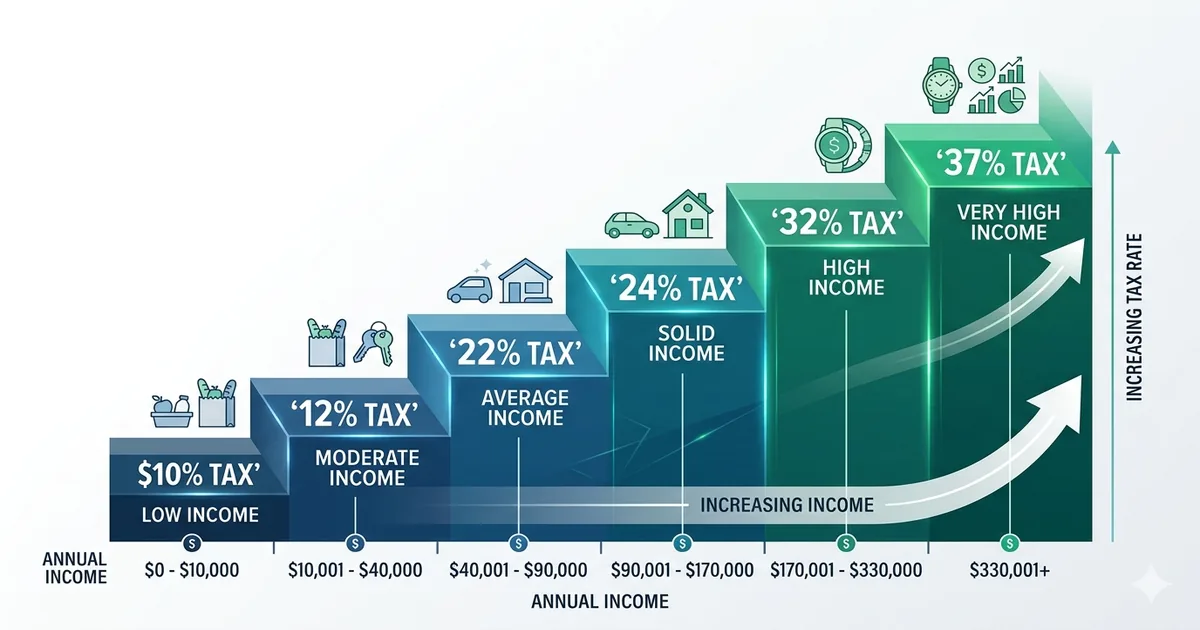
Tax status: Historically, IDR forgiveness was taxable income — the forgiven balance was added to your income in the year of forgiveness, potentially creating a large tax bill. Legislation created a temporary exemption through 2025. As of 2026, confirm the current tax treatment with a tax advisor — this is an evolving area. PSLF forgiveness is permanently tax-free regardless.
IDR forgiveness is most valuable for high-debt, lower-income borrowers (e.g., graduate school debt with moderate income) who won't pay off the full balance in 20 years and don't qualify for PSLF.
Borrower Defense and Closed School Discharge
Borrower Defense to Repayment: Forgives federal loans if your school engaged in misconduct — misrepresentation about job placement, accreditation, or quality of education. Applied primarily to students at for-profit schools that engaged in deceptive practices (ITT Tech, Corinthian Colleges, etc.). Apply through studentaid.gov.
Closed School Discharge: Forgives federal loans if your school closed while you were enrolled or shortly after you withdrew. You must not have completed or transferred your program to another school.
Private Loans — No Forgiveness Options
Private student loans from banks and lenders have no federal forgiveness programs. None. If you refinanced federal loans into private loans, you permanently lost access to PSLF, IDR, and all federal forgiveness. This is the strongest reason to never refinance federal student loans into private loans unless you're certain you won't need any federal protections.
Student Loan Systems Globally
UK: UK Plan 2 loans are automatically written off after 30 years regardless of remaining balance — a de facto forgiveness program for anyone who doesn't repay in full. Given that repayment is income-contingent (9% above the threshold), many graduates will never fully repay and their loans will be written off tax-free at 30 years. Plan 5 loans (starting from 2023) have a 40-year write-off period. Gov.uk at gov.uk/student-finance.
India: India does not have a federal student loan forgiveness program. Some state governments operate targeted waiver schemes for specific beneficiary groups (SC/ST students, economically weaker sections), but these are not universally available. Loan defaults result in credit bureau reporting and potential legal action by the lending bank.
Canada: Canada has the Repayment Assistance Plan (RAP) and RAP-D (for permanent disability) — reducing payments to manageable levels for low-income borrowers, with federal government covering the interest. Loans are forgiven after 15 years (disability) or after reaching maximum repayment period under RAP, though the timeline varies. There is no direct equivalent to PSLF. More at canada.ca.